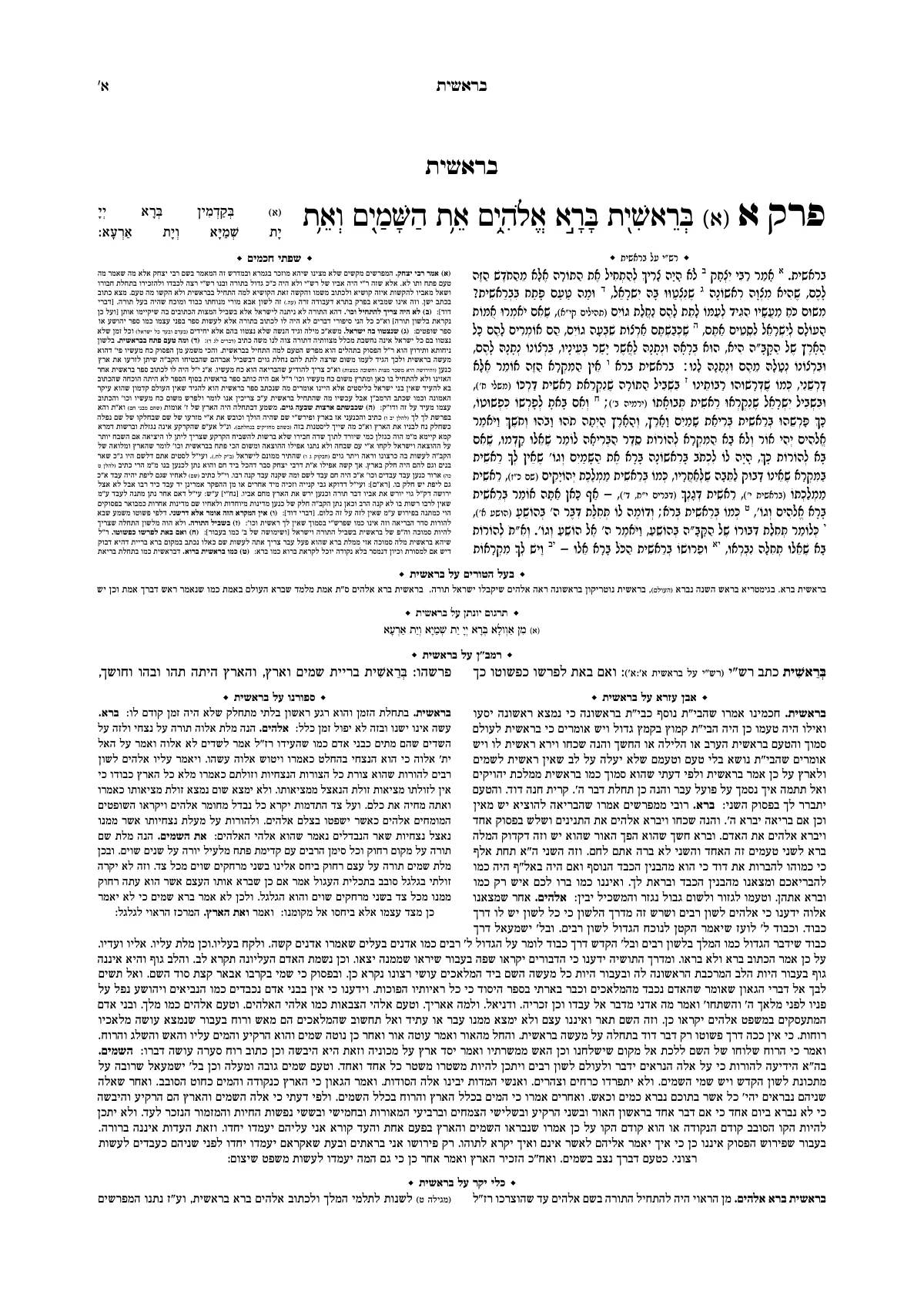
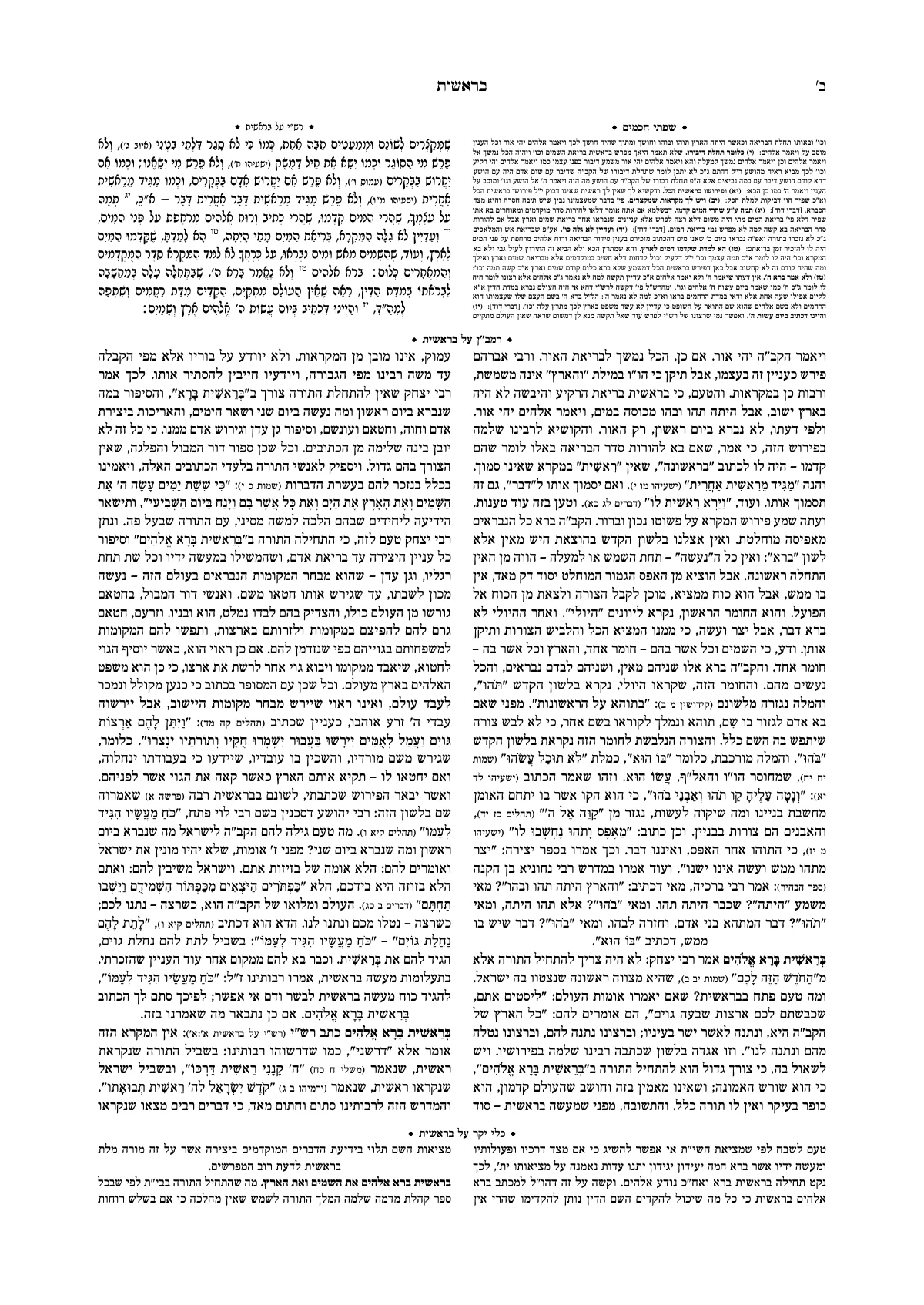
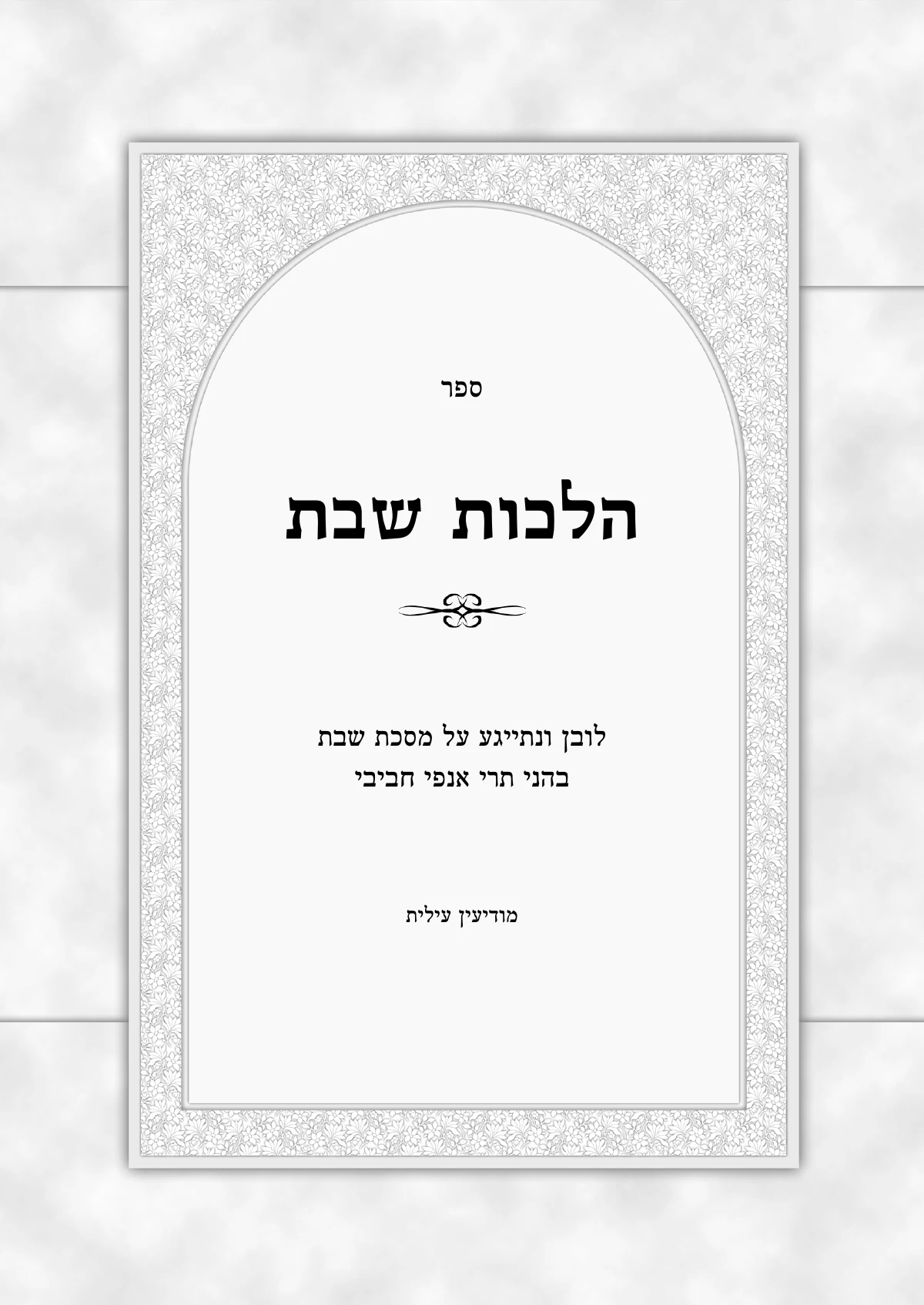
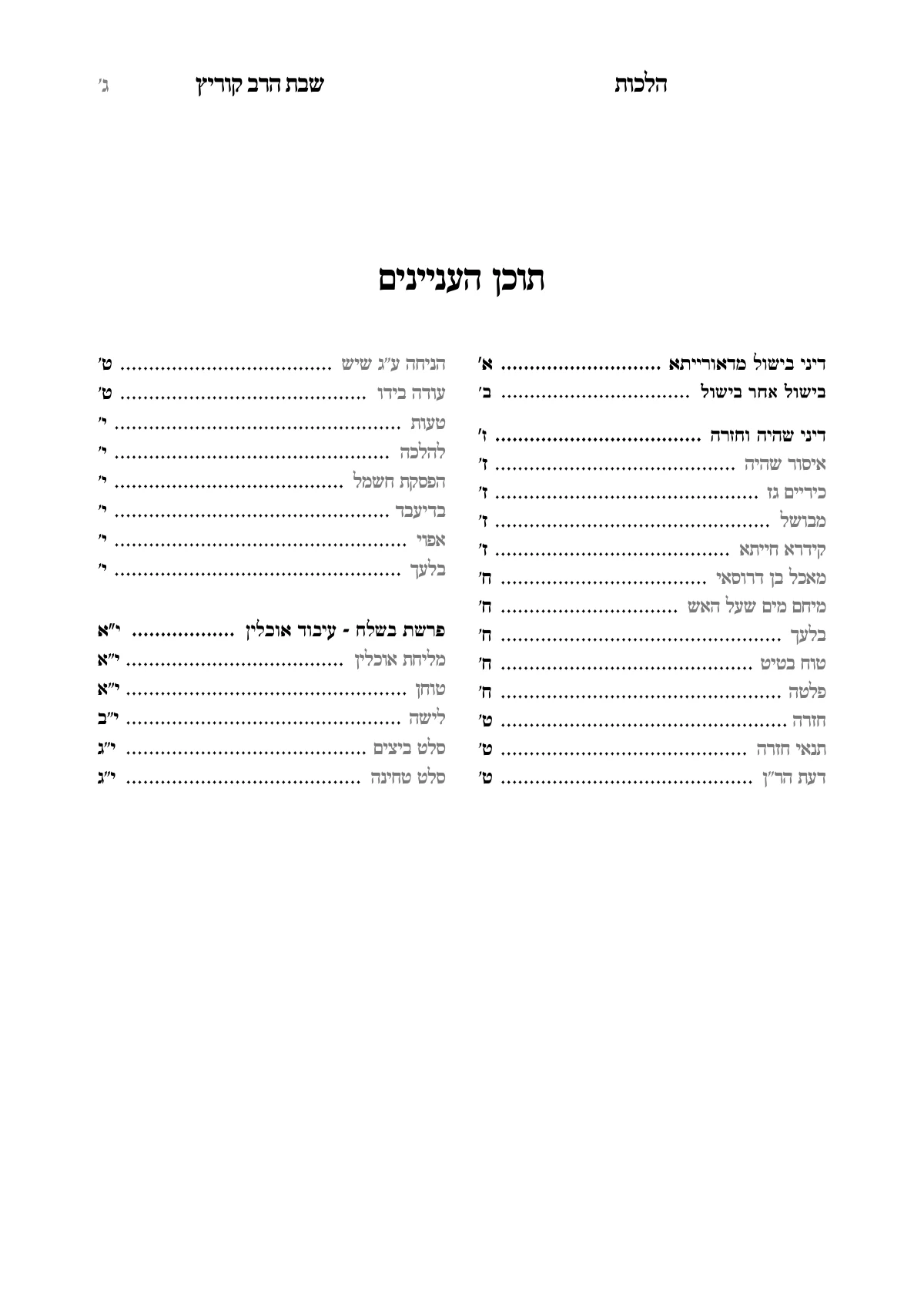
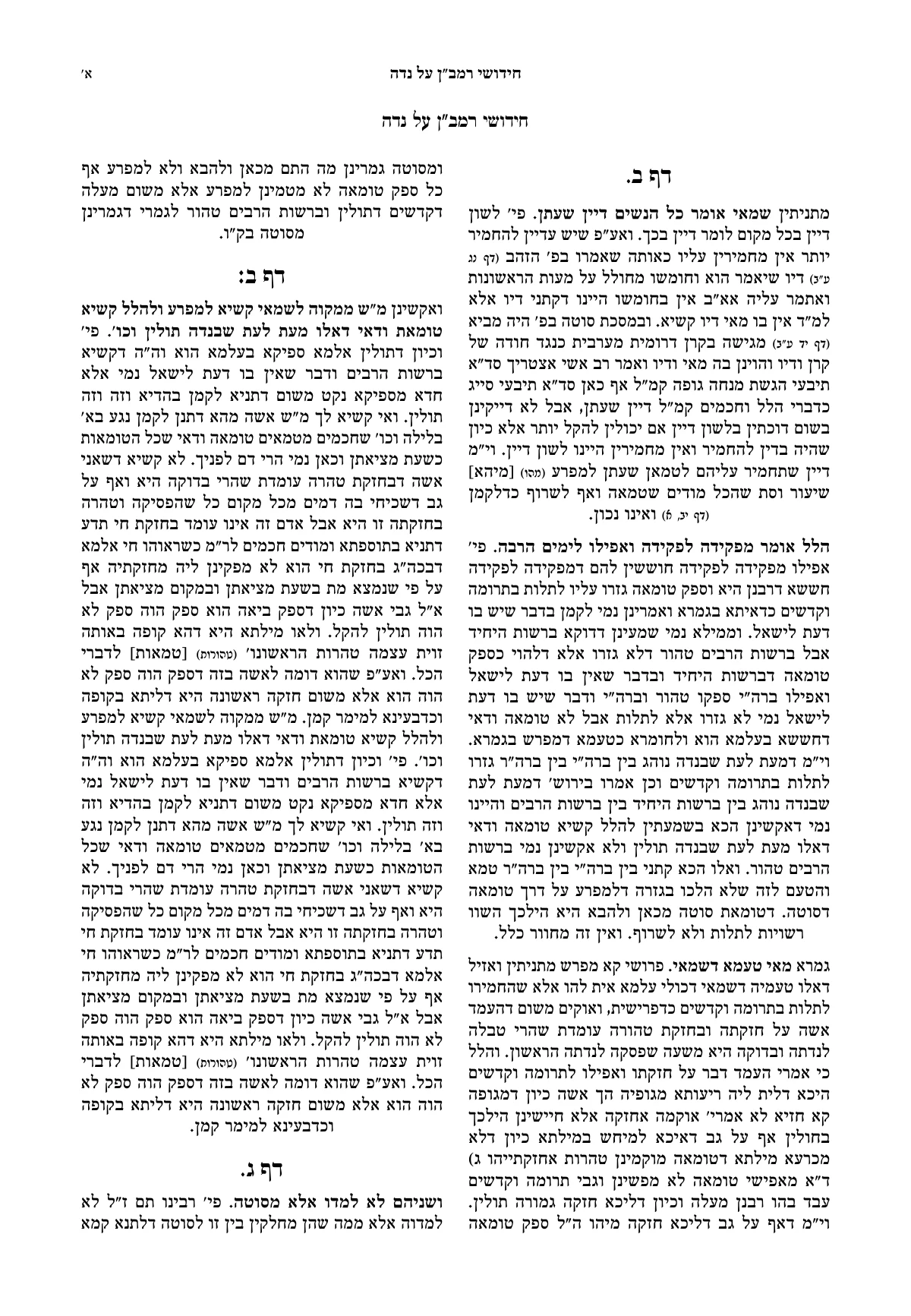
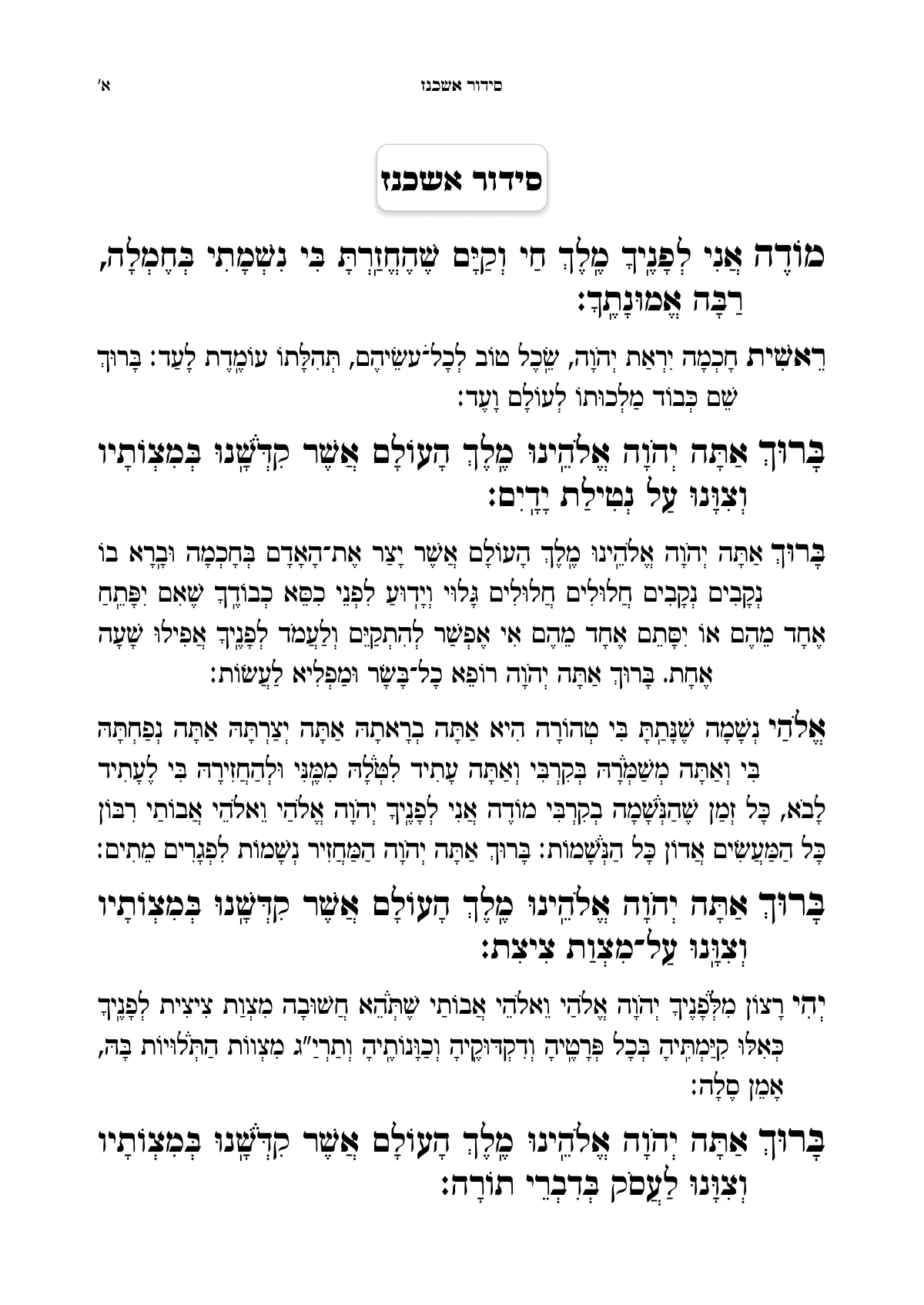
How a siddur differs from an ordinary book
A book is read; a siddur is davened from. The eye has to find its place quickly, read every vowelled word correctly, and not fall between pages in the middle of a berachah. So a siddur needs a few things an ordinary book doesn’t:
- Large letters with nikud, and nikud that doesn’t touch the line above.
- Instructions in small letters, told apart from the nusach at a glance.
- A running head with the name of the tefillah, to find the place while leafing.
- Berachos and passages that aren’t cut between pages.
- A table of contents, and sometimes a translation or short commentary beside the nusach.
In Ariach most of these are set once in the design, and apply to the whole siddur.
Font, nikud and line spacing
The most important choice in a siddur is the font. Choose one whose nikud is clear at the size people will daven from, and enlarge the letters until they are easy to read in shul lighting too. In Ariach you see the change on the pages themselves at once, so you can try a few sizes and compare.
Line spacing is set by the font, the nikud and the taamim, not by a fixed number, so a line with nikud and taamim isn’t pressed against the one above it. The letters check goes over the whole siddur and flags a character the font doesn’t have, so you don’t find it only at the print shop.
What size
The size is decided by where people will daven from the siddur. Choose it from a list, and the pages are laid out again at once.
- Pocket, 10.5 × 14.8 cm
- A kuntres of tefillos, Tefillas HaDerech or Birkas HaMazon that fits in a pocket.
- A5, 14.8 × 21 cm
- A hand siddur or a kuntres of tefillos for an occasion. Easy to hold in one hand.
- Standard sefer, 17 × 24 cm
- A siddur for the shul, with large letters and wide margins.
From the nusach to the printed siddur
Bring in the nusach
Upload a Word file. Headings stay headings, and character styles, like instructions in small letters, become the book’s styles.
Choose a font, size and design
A ready-made design sets the font, headings and margins for the whole siddur. You can tell the Assistant what you want: “make the letters bigger”, “a running head with the tefillah’s name”.
Go over the pages
Make sure no berachah is cut mid-page where you don’t want it. A page that didn’t work out is flagged, with the reason.
Download a print PDF
The PDF is identical to the pages on screen, with bleed and crop marks when the print shop asks for them.
For a siddur with a translation or commentary: paragraphs side by side, up to four, for the source and its translation. And if you are starting from a Word file: what happens to the file on its way to a book.